

Is Aquaponics Worth It and What are It’s Benefits
The sustainable farming practice known as aquaponics is on the rise. This innovative technique combines aquaculture and hydroponics. Its promise for the future of food production can be uncovered by learning its underlying concepts and utilizing the advantages of aquaponics.
At its foundation, aquaponics is the mutually beneficial practice of raising fish and plants. The fish benefit from the cleaner, healthier water the plants filter, while the plants thrive off the nutrients the fish excrement provides. This closed-loop system conserves water and eliminates the need to use toxic chemical fertilizers or pesticides.
The capacity to simultaneously cultivate fish and plants in a relatively small area is a significant selling point for this system. Aquaponics can double or even triple crop yields using a small fraction of the land area required by conventional agricultural methods. This makes it a fantastic option for places with a scarcity of farmable land, such as densely populated cities.
Aquaponics also helps the environment because it requires less water than conventional farming. Reusing water inside the system reduces the need for new supplies and helps preserve a finite resource. Pesticides and other chemical fertilizers are unnecessary in an aquaponic system because there are no soil-borne diseases or pests.
Its adaptability goes beyond just the realm of conventional farming. Aquaponics has many potential applications, from personal gardens to educational institutions to industrial processes. Because of its scalability, it empowers individuals and communities to grow their own food.
Sustainable agriculture has a bright future, which can be seen in the unique benefits of aquaponics. We can develop sustainable food production practices that reduce waste and protect natural resources by using this cutting-edge approach that mixes fish farming with hydroponics.
3 Important Advantages of Aquaponics You Should Know
Three significant advantages of aquaponics—a sustainable and cutting-edge farming method—should pique your interest in this innovative method of growing. By learning about these benefits, you can see why aquaponics is becoming so widespread.
Because of these three benefits, aquaponics has the potential to revolutionize contemporary farming. By adopting this cutting-edge farming method, we can solve today’s severe ecological problems and guarantee tomorrow’s food supply.
Environmentally Friendly Farming Method
The importance of environmentally responsible farming practices in today’s environmentally conscious world cannot be overstated. Among these, ecologically friendly farming has attracted a lot of interest. This method shows promise in resolving the problems of conventional farming by emphasizing sustainability and reducing environmental impacts.
Sustainable agriculture places particular emphasis on conserving water resources. Optimal water use in agriculture can significantly impact areas where water scarcity is a growing problem. Farmers can make every drop of water count by using drip irrigation systems, precision watering techniques, and other water-saving technologies without sacrificing crop yields.
In addition, sustainable farming practices should generate as little trash as possible. Overusing chemical fertilizers and pesticides is a common byproduct of conventional farming practices. However, sustainable agriculture reduces this waste by emphasizing organic and non-chemical pest management approaches. Farmers can improve soil health and biodiversity by using fewer toxic chemicals when composting and implementing crop rotation plans.
Adopting eco-friendly farming practices helps preserve our world for future generations and ensures its long-term viability. Adopting these methods can give farmers an edge in the market as customers become more aware of their food choices’ impact on the environment and the community.
Using sustainable farming methods can significantly reduce environmental problems caused by conventional farming methods. Responsible land cultivation that benefits people and the world can be achieved through ecologically friendly farming practices that conserve water and generate little waste.
Water Conservation in Aquaponics
Aquaponics addresses the growing concern for water conservation in the agricultural sector. Aquaponics is an eco-friendly and low-water-use approach to farming that blends fish farming with hydroponic plant cultivation in a closed-loop system.
Water is frequently lost due to runoff and evaporation in conventional farming. On the other hand, aquaponics recycles its own water continually, significantly cutting down on water usage compared to traditional farming practices. This automated system makes the most efficient use of resources while reducing waste and pollution.
Aquaponics’ capacity to take advantage of the symbiotic link between fish and plants is a significant benefit. Waste from fish increases the water supply. This nutrient-rich water is recycled for hydroponic plant growth rather than being released into the environment. After the plants have absorbed the nutrients, the water is filtered naturally and recycled back into the fish tanks.
Aquaponics can reduce water usage by as much as 90% compared to conventional agricultural methods that use soil. This not only aids in preserving our limited supply of fresh water, but it also lessens the impact that things like excessive irrigation and chemical runoff have on local ecosystems.
Additionally, aquaponics provides flexibility in terms of both site and size. It can be used in cities with restricted land or combined with preexisting farming techniques. Without worrying too much about weather and soil quality, production may continue throughout the year in a controlled atmosphere.
By drastically decreasing water usage through closed-loop systems and optimizing resource efficiency, aquaponics presents exciting new possibilities for environmentally responsible agriculture. Using this cutting-edge method, we can protect our scarce freshwater supplies while guaranteeing a future generation’s access to healthy food. We can build a more sustainable and enduring world by realizing aquaponics’ promise.
Minimizing Chemical Inputs and Soil Erosion
Sustainable and ecologically friendly techniques are becoming increasingly crucial in today’s quickly developing globe. The field of agriculture is one in which a lot of development has been accomplished. Organic farming techniques have been increasingly popular in recent years, particularly those that aim to reduce the chemicals used and the amount of soil washed away.
Organic farmers rely on natural nutrient cycling and biological pest management to keep crops healthy without synthetic fertilizers and pesticides. This method improves soil health, yields healthy and chemical-free food, and protects the environment.
In addition, aquaponics is one cutting-edge method that has been getting a lot of press as of late. Fish farming (aquaculture) and hydroponics (growing plants in water) form a self-sustaining cycle in this system. With aquaponics, the nutrient-rich waste from fish is used as fertilizer for plants, reducing the need for artificial inputs while increasing productivity.
Soil erosion can be significantly mitigated by using organic farming practices and aquaponics. Soil erosion occurs when wind or water wash away soil particles, and tilling is a standard part of conventional farming. On the other hand, organic farmers place a premium on practices like cover cropping and low tillage to preserve soil quality and forestall erosion.
We can help ensure a more sustainable future for Earth by embracing these cutting-edge methods of farming, which require fewer chemical inputs, boost natural nutrient cycling, and lessen the likelihood of soil erosion. Increasing evidence suggests that these practices are not just environmentally sound but also economically sound options that have the potential to radically modify our food production infrastructure for future generations.

Enhanced Nutrient Availability for Plant Growth
Increasing nutrient availability for rapid plant growth is a crucial area of focus in pursuing higher crop yields and more sustainable agriculture techniques. Natural fertilization processes have long been relied upon by farmers to supply their crops with the nutrients they need to thrive. However, recent scientific discoveries have revealed exciting prospects for improving nutrient delivery.
The utilization of nutrient-rich water for plant growth is one promising strategy. This technique guarantees that plants have access to the components they require for optimal growth by supplying a precisely balanced blend of essential nutrients directly to the root zone. This precise method increases nutritional absorption, lessens waste, and has a smaller ecological footprint.
Increased nutritional accessibility has several positive effects. First, increased crop yields directly result from a steady supply of nutrients for the plant’s growth cycle. This can be especially helpful in areas where soil quality is low or access to conventional fertilizers is restricted.
Second, this method encourages healthier and more resilient crops by giving plants precisely what they need when they need it. Plants that can tolerate drought or disease will produce more and suffer fewer losses.
Increased nutrient availability also aids in more environmentally friendly farming methods by decreasing the need for artificial fertilizers and the amount of runoff that pollutes water supplies. It’s a way to meet food production needs without compromising environmental protections like water quality or ecosystem preservation.
The agriculture industry benefits significantly from adopting practices that increase nutrient availability for plant development. Sustainable food systems can be fostered, and crop yields grown by farmers using natural processes and cutting-edge technologies.
Utilizing Fish Waste as Natural Fertilizer
Finding new and better methods to put our limited resources to good use is paramount in today’s environmentally conscious world. One way that has attracted much attention is using fish excrement as a natural fertilizer in aquaponics systems.
A sustainable farming approach establishes a mutually beneficial interaction between the fish and the plants by fusing aquaculture with hydroponics. In this environment, fish excrement is a plentiful supply of plant nutrients, making the nitrogen cycle crucial.
Ammonia-rich excrement is released into the water when fish poop. The buildup of ammonia to toxic levels is a problem in conventional aquaculture systems. However, the wastewater from an aquaponics system can be used to nourish plants.
The ammonia in the water is broken down by good bacteria as it circulates into nitrites and eventually nitrates, both of which are necessary for plant growth. The roots of the plants in the grow beds or raft systems absorb the nitrates.
Aquaponic farmers can grow healthy, abundant crops without using chemical fertilizers by using this natural process. This saves money on fertilizers and lessens our impact on the planet.
There are many benefits to using fish waste as fertilizer. First, it offers a long-term answer to the problem of what to do with wastewater from aquatic environments that would otherwise be wasted or even harmful. Second, eliminating wasteful nutrient cycling encourages effective use of available resources.
Using fish waste as natural fertilizer improves crop yields and improves the environment. Waste’s organic matter enhances soil structure and fertility and stimulates microbial activity crucial to plant nutrition uptake.
By emulating the connection and efficiency of nature, aquaponics systems, in which fish and plants live in harmony, provide a genuinely holistic method of agriculture.
Using fish waste as fertilizer in aquaponics systems is a novel approach that supports our eco-friendly objectives. We can change farming processes, lessen waste, and maximize resource use by combining the nitrogen cycle and a symbiotic link between fish and plants. In addition to helping the planet, adopting this strategy helps boost food yields while reducing expenses.
Reduced Dependency on Synthetic Fertilizers
Concern about the effects of synthetic fertilizers on human health and the environment has increased in recent years. Therefore, organic plant cultivation techniques, especially in aquaponics systems, have received a lot of focus. Aquaponics is an environmentally benign and sustainable farming method because it does not require artificial fertilizers.
Reduced reliance on synthetic fertilizers significantly benefits organic plant cultivation in aquaponics. Chemical fertilizers have long been a staple of conventional farming practices. However, these artificial chemicals frequently damage soil, pollute water, and kill off helpful wildlife.
Instead, aquaponics combines hydroponics with aquaculture in a closed-loop system where plant growth is supported by rich nutrients from fish waste. As a result, no chemical fertilizers are required. Aquaponics decreases environmental impact and ensures healthier products using natural processes and nutrient cycling within the system.
The elimination of synthetic fertilizers in aquaponics has the additional benefit of boosting food safety. Long-term exposure to chemical residues left behind by conventional farming methods has been linked to human health problems. Organically grown plants remove this danger by producing food that hasn’t been sprayed with harmful chemicals.
Additionally, we may aid in biodiversity conservation by using organic practices in aquaponics systems. In addition to harming plants, chemical fertilizers can harm beneficial insects and soil microorganisms, upsetting sensitive ecological balances. By encouraging biodiversity and providing resources for pollinators, organic agricultural practices contribute to the upkeep of stable ecosystems.
Reducing reliance on synthetic fertilizers and ensuring long-term food security is possible through organic plant cultivation techniques in aquaponics systems. Eliminating toxic chemicals has many benefits, including protecting the environment, improving food safety, and helping preserve biodiversity for future generations.
Increased Crop Diversity and Year-Round Production Capability
Impressive in its adaptability, aquaponic farming permits the year-round simultaneous cultivation of a wide range of crops. Hydroponics and aquaculture form a self-sustaining habitat where plants and fish can flourish.
The increased crop diversity is one of the main advantages of aquaponics. Aquaponics allows a greater variety of plant life to grow, unlike conventional farming, which is constrained by factors like soil quality and weather. Anything goes, from fruits and vegetables to herbs and leafy greens.
Additionally, aquaponics enables continuous harvesting throughout the year, ensuring that output is unaffected by the weather or season. Farmers may control the environmental factors that affect plant growth within an enclosed system, allowing for year-round harvests.
Farmers can reap substantial financial benefits by growing a wider variety of crops and being able to produce throughout the year. Consumers benefit from having more healthy food options to choose from. Aquaponics allows farmers to grow more food with fewer resources than traditional farming methods, which are subject to weather and other external factors.
Aquaponic gardening’s adaptability enables the simultaneous growth of multiple crops and yields throughout the year. Sustainable farming is a game-changer because it allows for a wider variety of crops and more reliable yields that are suitable for farmers and their customers. This makes aquaponics a reliable solution to food insecurity around the world.
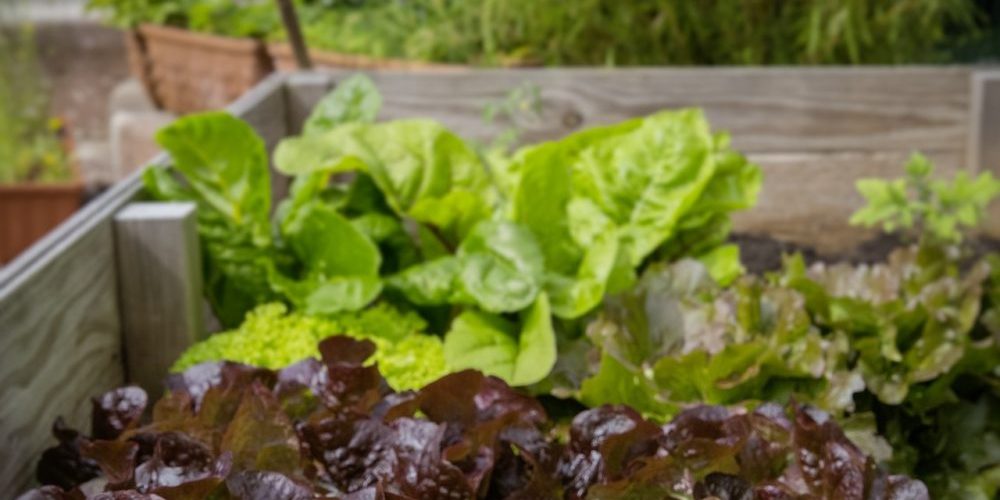
The Potential for Urban Agriculture
The potential for urban agriculture has become a matter of significant attention in the face of rising urbanization and the increasing demand for food. Due to insufficient space and resources, conventional farming techniques won’t work in cities. However, new approaches like vertical farming and indoor aquaponics are showing promise as viable alternatives.
We call “urban agriculture” the cultivation of plants and animals for human consumption in densely populated places. By combining aquaculture (fish farming) and hydroponics (water-based plant cultivation), indoor aquaponics is a practical approach. Plants benefit from the nutrients in fish feces, and the plants, in turn, clean and purify the water that the fish swim in. This self-sustaining technique uses available space better and requires far less water than conventional farming.
By stacking successive layers of crops in sterile settings, “vertical farming” efficiently uses otherwise wasted vertical space. These multi-story greenhouses have climate control systems, artificial lighting, and nutrient-rich solutions to ensure optimal growing conditions year-round. Vertical farms can maximize productivity with minimum inputs because of cutting-edge technologies like LED lighting and computerized irrigation systems.
There is a wide range of possible advantages to urban farming. In highly crowded places, where fresh produce may be scarce or expensive to import, it can help with food security and accessibility difficulties. Two benefits of urban agriculture are reduced fuel consumption and greenhouse gas emissions from shorter food distribution chains.
In addition, urban agriculture helps the environment by decreasing the need for resources like land, water, pesticides, and fertilizers, which are typically used in conventional farming methods. Both vertical farms and indoor aquaponics technologies significantly reduce water consumption compared to traditional irrigation methods.
There are social advantages to urban farming as well. People can get involved in feeding their neighbors while still finding gainful employment. In addition, it promotes learning about environmental responsibility, a good diet, and the value of maintaining human contact with the natural world.
Despite urban agriculture’s infancy, it’s clear that it has great potential to improve issues of food insecurity, environmental sustainability, and social cohesion. Indoor aquaponics and vertical farming are two new solutions that can help feed growing urban populations while making cities more resilient and sustainable in the long run.
Continual Crop Harvesting
Continuous crop harvesting has emerged as a game-changer in a society where sustainability and efficient food production are critical. This cutting-edge technique allows for year-round crop cultivation, guaranteeing a constant supply of fresh vegetables. This method is suitable for sustainable agriculture since it integrates aquaponic systems, which increase productivity while decreasing waste.
We can overcome the difficulties of conventional farming by switching to a system of continuous crop harvesting. Due to its reliance on planting and harvesting cycles, traditional agriculture is prone to periods of food scarcity and instability. However, these gaps can be eliminated, and a steady supply of crops can be maintained throughout the year by practicing continuous cultivation.
Aquaponic systems’ incorporation into this procedure also has many benefits. By fusing aquaculture (fish farming) and hydroponics (soilless plant cultivation), the two species can mutually benefit from one another. The plants are fed by circulating the water from the fish tanks, which are rich in nutrients, and the plants provide the fish with cleaner, purer water.
The use of synthetic fertilizers and pesticides, which are harmful to human health and the environment, is rendered unnecessary by this closed-loop system. In addition to maximizing crop yields through an efficient nutrient delivery system, aquaponics takes far less land than conventional agricultural methods.
Together, continuous crop harvesting and aquaponic systems demonstrate how technology can aid in the development of more sustainable methods of food production. We can use these innovative techniques to feed the world’s expanding population while decreasing our ecological footprint.
The potential for continuous crop harvesting to transform sustainable agriculture methods is enormous. This technology benefits farmers and customers since it maintains a consistent supply of fresh vegetables throughout the year and can be used with aquaponic systems to boost efficiency. Adopting such technology is crucial for a future where food security is ensured without jeopardizing the health of our planet.
Embracing the Benefits of Aquaponics for a Sustainable Future
Aquaponics is a game-changer in agriculture when environmentally friendly answers are paramount. This novel approach combines aquaculture with hydroponics, which has several potential benefits and could lead to a more sustainable future.
Aquaponics’ efficient use of resources is a significant advantage. Aquaponics is a closed-loop system where fish waste supplies nutrients for plants, and the plants filter and purify the water for the fish, as opposed to typical agricultural methods that sometimes require vast amounts of water and fertilizers. This mutualistic partnership produces a self-sufficient environment that requires little to no added water or artificial fertilizers.
Furthermore, aquaponics allows for adequate food production by making the most of available areas. Crops can be produced in stacked layers or hung structures using vertical farming methods and well-thought-out systems. This makes better use of open land and makes year-round farming possible in almost any climate.
Aquaponics also encourages sustainable farming methods, which is a significant plus. The elimination of soil-based farming mitigates the problems of soil erosion and runoff contamination. There is also no danger of dangerous chemicals entering our ecosystems because no pesticides or herbicides are required in this regulated setting.
In conclusion, sustainable agriculture stands to gain significantly from adopting aquaponics and using its many advantages. It’s an appealing option for individuals who want to solve the problem of food insecurity while having as little of an effect on the environment as possible because of its low resource and area requirements. This new method of farming has the potential to provide a more sustainable future for future generations.

